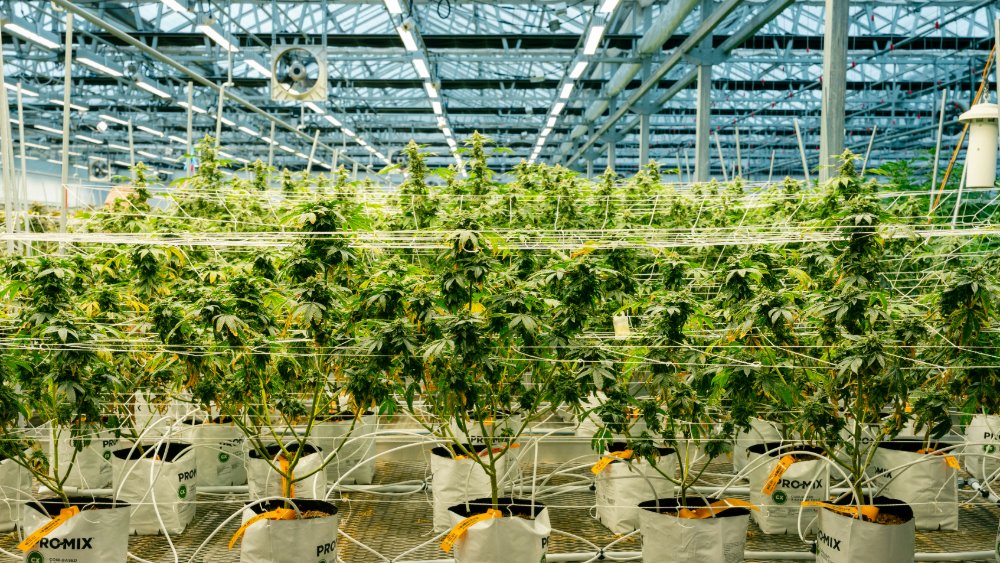
Healthy plants begin with strong root systems. Roots absorb water and essential nutrients, support plant stability, and help plants grow properly. They also play an important role in producing healthy vegetable crops. However, poor soil conditions, improper watering, and limited space can prevent roots from developing fully. Creating a suitable growing environment helps plants establish deeper roots and maintain healthy growth. By following proper plant care practices, gardeners can improve soil quality, encourage root development, and achieve better gardening results.
Understanding the Importance of Healthy Root Systems
Root systems play an essential role in overall plant health. They absorb nutrients and water from the soil and transport them to different parts of the plant. Strong roots also anchor plants firmly, helping them remain stable during heavy rain and strong winds. When roots develop properly, plants can access more resources and maintain consistent growth throughout the growing season.
Weak roots can affect plant development and reduce overall productivity. Poor root growth may cause yellow leaves, slow development, and reduced flowering or fruit production. Providing suitable growing conditions helps roots spread naturally and absorb the resources plants need. Understanding root development allows gardeners to make better decisions about soil preparation, watering, and regular plant maintenance.
Improving Soil Quality for Better Root Development
Soil quality directly affects how roots grow and access essential nutrients. Loose, well-draining soil allows roots to spread without facing unnecessary resistance. Heavy, compacted soil can restrict root movement and prevent proper airflow. Adding organic matter, such as compost and aged manure, improves soil structure and creates a healthier environment for root development. These soil improvement practices also support beneficial microorganisms that contribute to plant health.
Gardeners should check soil conditions before planting new crops or flowers. Removing stones, breaking up compacted areas, and mixing suitable organic materials can improve the growing environment. Maintaining balanced soil conditions also helps plants access essential nutrients throughout their development. Regular soil improvement supports stronger roots, healthier foliage, and better plant growth.
Maintaining Proper Watering Practices
Water plays an important role in root development because plants need consistent moisture to absorb nutrients. However, excessive watering can create waterlogged soil and reduce oxygen availability around the roots. This condition may encourage root rot and other plant health problems. On the other hand, insufficient watering can cause roots to dry out and limit nutrient absorption. Maintaining balanced soil moisture helps roots grow deeper and supports healthy plant development.
Gardeners should adjust watering schedules according to plant varieties, soil types, and weather conditions. Checking soil moisture before watering can prevent unnecessary water use. Deep and consistent watering encourages roots to grow downward instead of remaining close to the soil surface. Applying organic mulch around plants can also reduce evaporation and maintain more stable soil moisture.
Providing Enough Space for Root Growth
Plants need enough underground space to develop healthy root systems. When plants grow too close together, their roots compete for water, nutrients, and available soil space. This competition can slow development and affect overall plant health. Proper spacing allows roots to spread naturally while giving plants access to the resources they need. Following recommended planting distances can also improve airflow, support a healthy natural environment, and reduce competition between neighboring plants.
Container gardening requires special attention to root space. Small pots can restrict root development and cause plants to become root-bound. Choosing containers with suitable sizes and drainage holes helps roots expand without excessive moisture buildup. Gardeners should also consider the expected size of mature plants when selecting containers. Providing adequate growing space supports stronger roots and healthier plant growth.
Ensuring Proper Drainage and Soil Aeration
Good drainage helps maintain a healthy balance between soil moisture and oxygen. When excess water drains properly, roots can access the oxygen they need for normal growth. Poor drainage can leave soil saturated for extended periods, increasing the risk of root damage and fungal problems. Gardeners can improve drainage by adding suitable organic materials, creating raised garden beds, or choosing appropriate planting locations.
Soil aeration also supports healthy root development. Compacted soil limits airflow and makes it harder for roots to spread. Gently loosening the soil around planting areas can improve its structure and allow better air movement. However, gardeners should avoid disturbing established roots during this process. Maintaining proper drainage and aeration creates favorable growing conditions for stronger and more resilient plants.
Supporting Root Health Through Regular Plant Care
Consistent plant care helps gardeners identify problems before they affect root development. Monitoring plant growth, checking soil moisture, and removing weeds can improve growing conditions. Weeds compete with garden plants for water, nutrients, and space. Removing them regularly allows cultivated plants to access more essential resources. Gardeners should also inspect plants for signs of nutrient deficiencies, pests, and diseases.
Balanced fertilization can further support healthy root growth. Choosing suitable fertilizers helps provide essential nutrients without creating excessive buildup in the soil. Applying compost and other organic materials can improve soil fertility over time. Gardeners should follow product instructions and avoid overfertilizing. Combining proper nutrition with consistent maintenance creates a supportive environment for healthy roots and long-term plant development.
Building a Healthier Garden Through Strong Roots
Creating better growing conditions requires attention to soil quality, watering, drainage, spacing, and regular maintenance. Each factor contributes to stronger root development and healthier plants. When gardeners understand these basic requirements, they can prevent common growing problems and improve overall garden productivity. Consistent care also helps plants become more resilient to changing weather and environmental conditions.
Strong root systems provide the foundation for successful gardening. By improving soil structure, maintaining balanced moisture, and providing enough room for roots to spread, gardeners can encourage healthier plant development. Applying effective gardening techniques supports better harvests, stronger plants, and more productive growing spaces. Investing in root health today helps create a thriving garden for future growing seasons.