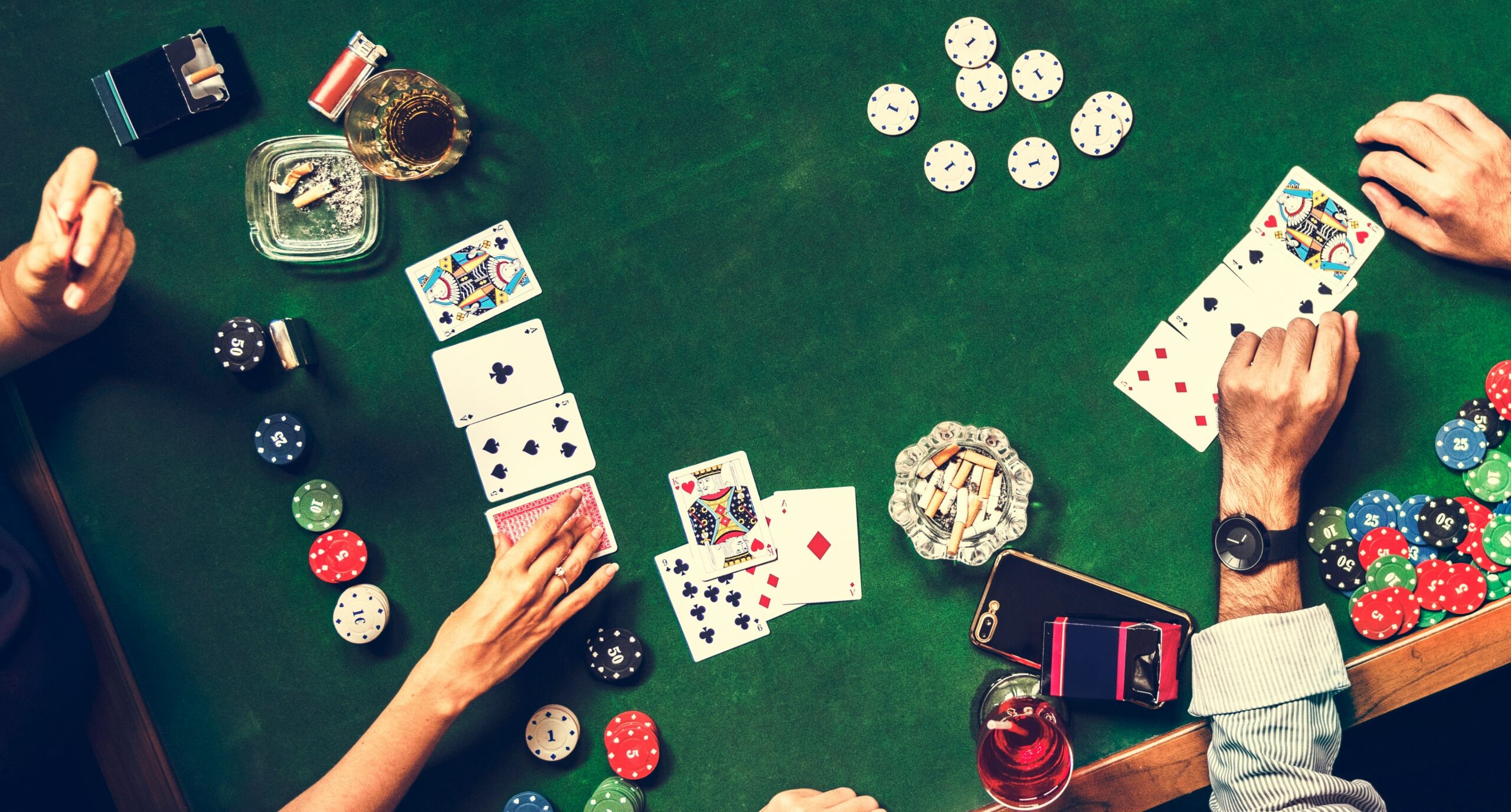
The idea of becoming a professional poker player attracts many people. Movies, television shows, and online poker streams often show dramatic moments, large stacks of chips, and life-changing wins. These images make poker appear exciting and glamorous. Many viewers believe that professional players enjoy a life filled with travel, luxury, and easy money.
The real story is very different. Professional poker requires patience, discipline, and constant effort. Behind every public victory lie long hours of study, difficult losses, and intense focus. The professional poker lifestyle can be rewarding, but it demands commitment and strong mental control. Understanding the truth about this career helps people see the work that goes on behind the scenes.
The Reality Behind Poker Success
Success in professional poker rarely happens overnight. Many players begin by playing small games and slowly build their skills. They learn from mistakes, study strategies, and spend years improving their understanding of the game. The process is gradual and often challenging.
A professional player treats poker like a serious career. Time at the table is only part of the job. Players review past hands, analyze their decisions, and look for ways to improve. They study opponents and learn how different situations affect the outcome of a hand. This constant learning is essential for long-term success.
The Mental Demands of Poker
Poker requires strong concentration. A single session can last many hours, especially during tournaments. Players must stay focused on every hand because even a small mistake can cost a lot of money. Maintaining attention for long periods is mentally exhausting.
Emotional control also plays a major role in the game. Losses can feel frustrating, especially when they occur after careful decisions. Professional players must remain calm even when the results do not go their way. The ability to manage emotions helps them continue making clear and rational choices.
The Financial Reality of the Game
Income in professional poker is rarely stable. A player may have a profitable month followed by several losing sessions. This natural swing in results is known as variance. Even skilled players experience these ups and downs.
Because of this uncertainty, financial discipline becomes very important. Professional players manage their bankroll carefully and avoid risking too much money in a single game. They understand that protecting their funds allows them to continue playing during difficult periods.
The Time Commitment Required
The professional poker lifestyle often demands long hours. Tournament days can stretch late into the night. Players may sit at the table for many hours without significant breaks. Online professionals often play thousands of hands during extended sessions.
Preparation also takes time. Many professionals spend hours studying strategies and reviewing past sessions. They watch training videos, read articles, and discuss hands with other players. These activities help them sharpen their skills and remain competitive.
The Pressure of Self-Discipline
Unlike traditional jobs, professional poker players do not have a boss or fixed schedule. This freedom can be appealing, but it also requires strong discipline. Players must create their own routines and remain motivated without outside supervision.
Successful professionals build habits that support their performance. They balance playing time with study and rest. They set limits on their spending and manage their money responsibly. These habits help maintain stability in a career that can otherwise feel unpredictable.
The Importance of Continuous Learning
Poker constantly evolves as new strategies appear and players become more skilled. What worked in the past may not work today. Professional players must stay informed and continue learning to remain competitive.
Many players review their sessions and identify patterns in their decisions. They learn from both wins and losses. This mindset allows them to grow and adapt to new challenges. Continuous learning helps them maintain a long-term edge in the game.
The Long-Term Perspective
A successful poker career depends on patience and long-term thinking. Players cannot judge their performance based on a single session or tournament. Results must be evaluated over months or even years.
Professionals focus on making the best possible decisions rather than chasing short-term wins. This mindset allows them to stay confident during losing periods and remain disciplined during winning streaks. Over time, consistent decision-making leads to better results.
The truth about the professional poker lifestyle is far more demanding than the glamorous image often seen in the media. It requires dedication, emotional strength, and careful financial management. While the career offers freedom and opportunity, it also demands constant effort and responsibility. For those who accept these challenges, professional poker can become a rewarding path built on skill, discipline, and persistence.