A lush garden brings beauty, comfort, and fresh energy to any outdoor space. Healthy plants, colorful flowers, and rich greenery create a peaceful setting where people can relax and enjoy nature. However, growing a thriving garden does not require expensive products or harsh chemicals. Natural gardening methods can help homeowners improve plant health while protecting the surrounding environment.
Many successful gardening practices begin with simple choices. Healthy soil, proper watering, sunlight, and natural plant care all contribute to stronger growth. These methods work together to create a balanced environment where plants can thrive. With patience and regular attention, anyone can develop a beautiful garden using resources that nature already provides.
Build Healthy Soil to Support Strong Plant Growth
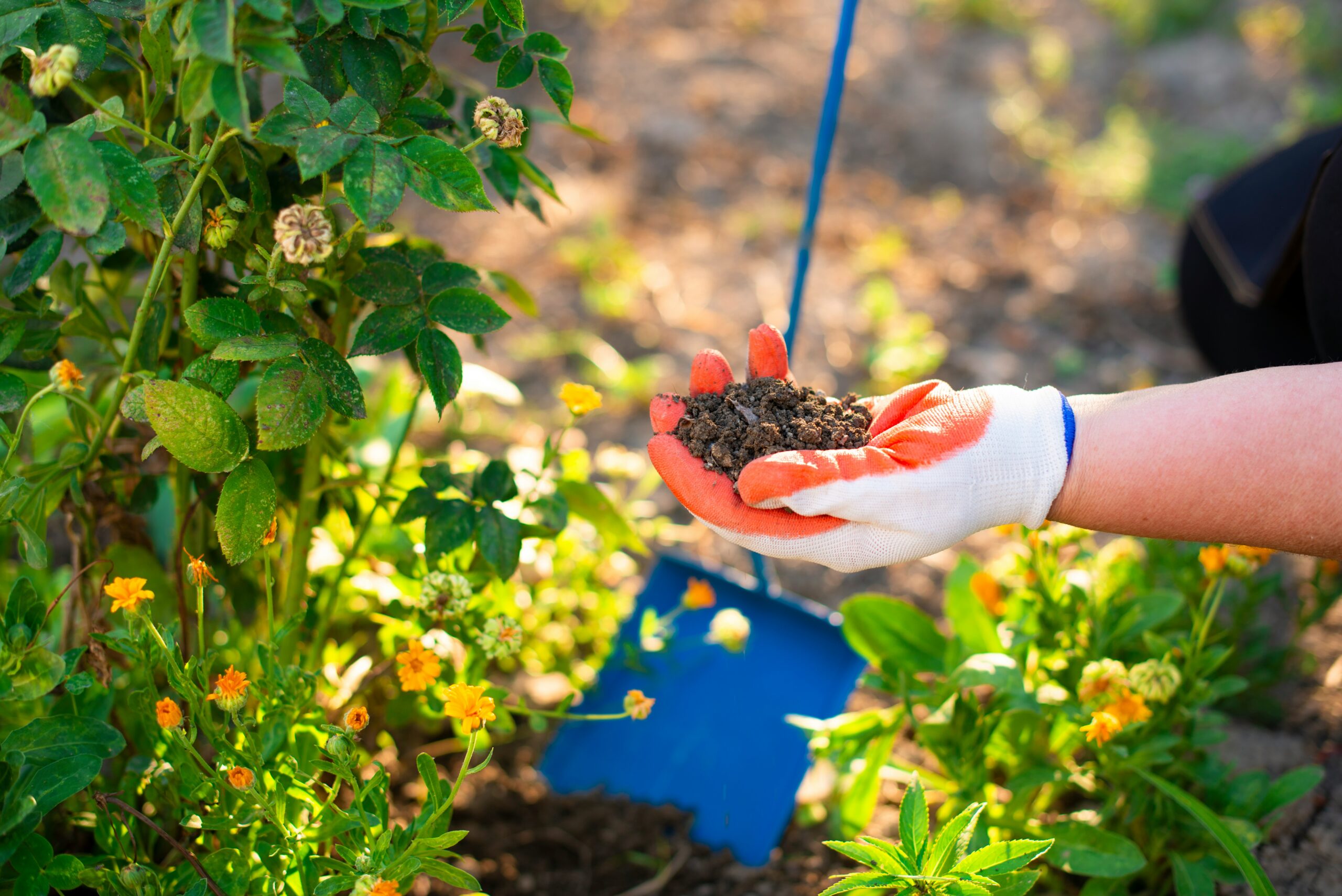
Healthy soil forms the foundation of every successful garden. Plants depend on soil for nutrients, moisture, and support. When soil contains enough organic matter, it creates a welcoming environment for roots and helpful organisms. Gardeners can improve soil quality by mixing in finished compost, aged leaves, and other decomposed natural materials. These additions help the ground retain moisture while allowing excess water to drain. Over time, organic matter also improves soil texture and supports steady plant development.
Before planting, gardeners should examine the condition of their soil. Heavy clay may hold too much water, while sandy soil often dries quickly. Adding suitable organic materials can improve both conditions. Avoid digging or turning the soil more than necessary because excessive disturbance can harm its natural structure. Instead, gently loosen compacted areas and maintain a protective layer of organic matter. Strong soil creates healthier roots, which allow plants to absorb water and nutrients more effectively.
Choose Plants That Naturally Suit Your Environment
Selecting suitable plants makes natural gardening easier and more rewarding. Every plant has specific needs for sunlight, temperature, moisture, and soil conditions. When gardeners choose varieties that match their local environment, plants often grow with less intervention. Native plants can be especially useful because many have adapted to regional weather patterns. They may also provide food and shelter for local birds, butterflies, and beneficial insects. However, gardeners should still consider each plant’s individual growing requirements.
A successful garden also depends on placing plants in appropriate locations. Some flowers flourish in direct sunlight, while others prefer partial shade. Vegetables may require several hours of sunshine to produce healthy crops. Gardeners should observe how sunlight moves across their outdoor space before deciding where to plant. They should also consider mature plant sizes to prevent crowding. Proper spacing improves airflow, supports root development, and allows every plant to receive adequate resources throughout the growing season.
Improve Soil Naturally With Homemade Compost
Composting offers a practical way to turn everyday organic waste into valuable garden material. Fruit peels, vegetable scraps, dry leaves, and untreated grass clippings can break down into nutrient-rich compost. This process reduces household waste while improving soil quality. Gardeners can create a compost pile in a shaded outdoor area or use a suitable compost container. Combining moist green materials with dry brown materials helps support decomposition. Regular turning, when appropriate, introduces air and encourages the materials to break down.
Finished compost should have a dark appearance, a crumbly texture, and an earthy smell. Gardeners can spread it around established plants or mix it into garden beds before planting. Compost gradually releases nutrients and encourages helpful soil organisms. It also improves the soil’s ability to hold moisture without becoming overly compacted. Avoid adding meat, dairy products, oily foods, or diseased plant material to basic home compost piles. With consistent care, composting provides a reliable source of natural soil improvement.
Water Plants Carefully to Encourage Deeper Roots
Watering plays an important role in maintaining a lush garden, but excessive moisture can harm plant health. Roots need both water and oxygen to function properly. When soil remains constantly saturated, roots may struggle to absorb nutrients and become vulnerable to decay. Gardeners should check moisture levels before watering rather than following a rigid daily schedule. In many garden beds, watering deeply and allowing the upper soil to dry slightly between sessions encourages roots to grow farther into the ground.
Morning is often the best time to water outdoor plants because cooler temperatures reduce evaporation. Directing water toward the soil instead of spraying leaves also helps reduce moisture-related plant diseases. A watering can, soaker hose, or carefully placed drip system can deliver moisture close to the roots. Rainwater collection may provide another useful option where local rules permit it. During hot weather, gardeners should monitor containers and shallow-rooted plants more frequently because they can dry out faster than established garden beds.
Protect Garden Soil With Natural Mulching Materials
Mulching helps gardeners maintain healthy growing conditions with less effort. A layer of shredded leaves, untreated wood chips, or clean straw can protect exposed soil from intense sunlight and heavy rain. These natural materials reduce moisture loss and slow the growth of unwanted weeds. As some organic mulches break down, they also contribute valuable material to the soil. This gradual improvement supports helpful organisms and creates better conditions for plant roots.
Gardeners should apply mulch carefully to avoid creating new problems. A moderate layer around most established plants protects without restricting airflow. Keeping mulch away from tree trunks and plant stems helps prevent trapped moisture and decay. Different garden areas may benefit from different materials. Fine leaves work well around many flowers, while wood chips often suit paths and planting beds. Regularly checking mulch depth ensures that the protective layer remains effective as natural materials gradually decompose.
Manage Garden Pests Without Harsh Chemicals
Garden insects are not always harmful. Many species help pollinate flowers, break down organic matter, or control pests that damage plants. Bees, butterflies, ladybugs, and other helpful creatures contribute to a balanced garden environment. Gardeners can support these organisms by growing flowering plants that provide nectar and shelter. A mixture of plant varieties also creates a more welcoming habitat. Avoiding unnecessary pesticide applications helps preserve beneficial insects and protects the natural relationships that support garden health.
When pests appear, gardeners should identify them before taking action. Some insects cause only minor damage that healthy plants can tolerate. Larger pests can sometimes be removed by hand, while a gentle stream of water may dislodge certain soft-bodied insects. Removing badly affected leaves can also limit localized problems. Gardeners should inspect plants regularly and act only when necessary. Good spacing, suitable watering, and healthy soil often reduce plant stress, making gardens less vulnerable to serious pest problems.
Encourage Natural Growth Through Proper Plant Maintenance
Regular maintenance keeps plants attractive and encourages healthy development. Removing dead leaves, damaged branches, and spent flowers allows gardeners to identify potential problems early. Some flowering plants produce additional blooms when faded flowers are removed. Pruning can also improve airflow and help maintain a suitable shape. However, gardeners should research the needs of individual plant varieties before cutting because excessive pruning may remove developing flowers or weaken growth. Clean, sharp tools help prevent unnecessary damage during routine maintenance.
Gardeners should also watch for changes in leaf color, growth patterns, and overall plant appearance. Yellowing leaves may indicate watering problems, nutrient shortages, or natural aging. Slow growth can result from poor sunlight, compacted soil, or seasonal conditions. Instead of immediately adding fertilizer, gardeners should investigate the likely cause. Careful observation supports better decisions and prevents unnecessary treatments. Small adjustments made at the right time often produce better results than major changes made after problems become severe.