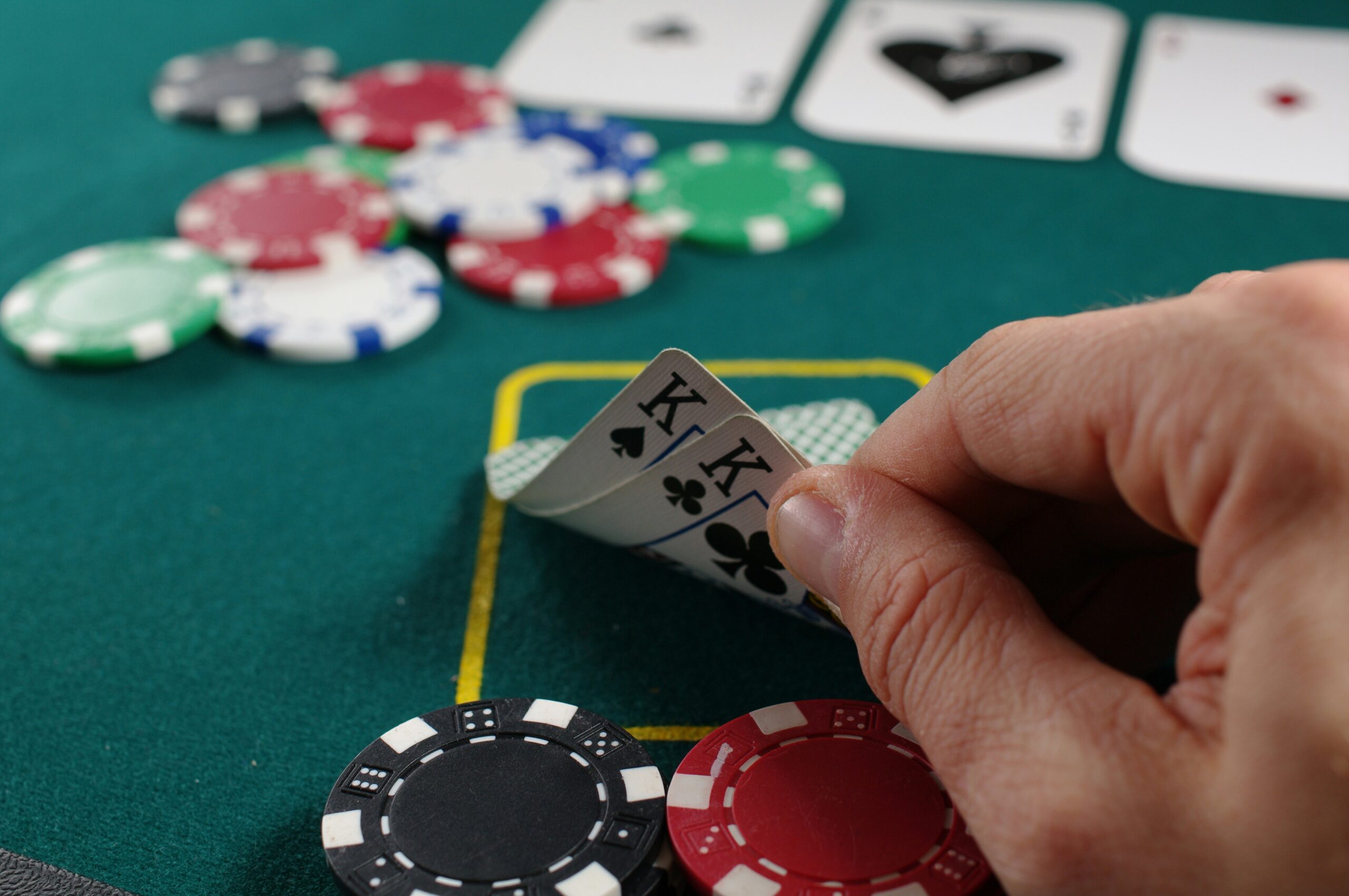
Poker is often described as a game of cards, odds, and strategy, but professional success depends on much more than knowing which hand to play. A strong poker player must also control emotions, manage pressure, accept losses, and stay focused when the game becomes difficult. This mental side of poker is known as poker psychology, and it can separate a skilled amateur from a consistent professional.
Developing mental toughness does not happen overnight. It requires patience, self-awareness, discipline, and the ability to learn from mistakes. When players understand their own emotions and reactions, they can make better decisions even when the cards are not going their way.
Understanding the Mental Game of Poker
Poker creates a unique psychological challenge because players must make decisions with incomplete information. Even when a player makes the correct decision, the result can still be negative. A strong hand can lose, while a weak hand can sometimes win. This uncertainty can create frustration and emotional pressure.
Professional players understand that one hand does not define their performance. Instead, they focus on making the best decision with the information available. This approach helps them avoid emotional reactions and keeps their attention on long-term results.
A professional mindset means separating a decision’s quality from its outcome. Winning does not always mean a decision was correct, and losing does not always mean a decision was wrong.
Controlling Emotions at the Table
Emotional control is one of poker’s most important skills. Anger, excitement, fear, and disappointment can all influence decision-making. When emotions run too high, players may take unnecessary risks or abandon a strategy that normally works well.
One common emotional problem is tilt. Tilt happens when frustration or anger causes a player to make poor decisions. After losing several hands, a player may try to win the money back quickly. This can lead to reckless betting and even larger losses.
Mental toughness helps a player recognize emotional shifts before they affect decision-making. Taking a short break, slowing down, and refocusing on the game can help restore focus. The goal is not to eliminate emotions but to prevent emotions from controlling actions.
Building Patience and Discipline
Patience is essential for serious poker players. There will be long periods when strong opportunities do not appear. A player who feels pressured to act may enter pots with weak hands simply because they are bored.
Professional discipline means waiting for suitable situations instead of forcing action. It also means following a strategy even when doing so feels uncomfortable. A disciplined player understands that passing on a poor opportunity is often a sign of strength, not weakness.
This mindset becomes especially valuable during losing sessions. Instead of chasing losses, mentally strong players accept that variance is part of poker. They stay disciplined and protect their bankroll, rather than letting short-term frustration influence their choices.
Developing Confidence Without Becoming Careless
Confidence is another important part of poker psychology. Players need enough confidence to trust their knowledge and make decisions under pressure. However, too much confidence can become dangerous when it turns into overconfidence.
Professionals build confidence through preparation, study, experience, and honest self-evaluation. They understand their strengths while remaining aware of areas that need improvement. Confidence should come from knowing that the decision-making process is solid, not from believing that every hand will go according to plan.
Healthy confidence also makes it easier to recover from mistakes. Instead of becoming discouraged after a poor decision, a confident player can identify what went wrong and use the experience to improve.
Staying Focused During Long Sessions
Mental fatigue can seriously affect poker performance. Long sessions require continuous attention, and concentration naturally decreases over time. Tired players may miss important information, make faster decisions, or become more emotionally reactive.
Professional players treat focus as a limited resource. They pay attention to their physical and mental condition and recognize when performance begins to decline. Proper rest, regular breaks, hydration, and a comfortable playing environment can support better concentration.
Strong focus also means staying present. Thinking about a previous mistake or worrying about future results can distract a player from the current decision. The best poker mindset keeps attention on the information available right now.
Learning From Losses and Setbacks
Every serious poker player experiences losing sessions. The difference between professionals and struggling players often comes down to how they respond afterward. A loss can become valuable when you treat it as an opportunity to review decisions and identify weaknesses.
Instead of asking why bad luck happened, mentally strong players ask whether they followed their strategy correctly. This shift from outcome-based thinking to process-based thinking encourages continuous improvement.
Keeping a record of sessions can also reveal emotional patterns, decision-making errors, and recurring weaknesses. Over time, this self-awareness can become a powerful part of a player’s development.
Creating a Professional Poker Mindset
Mental toughness in poker comes from consistent habits. Players who remain calm, patient, disciplined, and focused are better prepared to handle both winning and losing periods. They understand poker is a long-term game where temporary results don’t tell the whole story.
The strongest mindset combines confidence with humility. A professional trusts their skills but continues learning. They accept uncertainty, manage emotions, respect variance, and focus on making quality decisions. By developing these psychological skills alongside technical poker knowledge, players can become more resilient and improve their performance at the table.