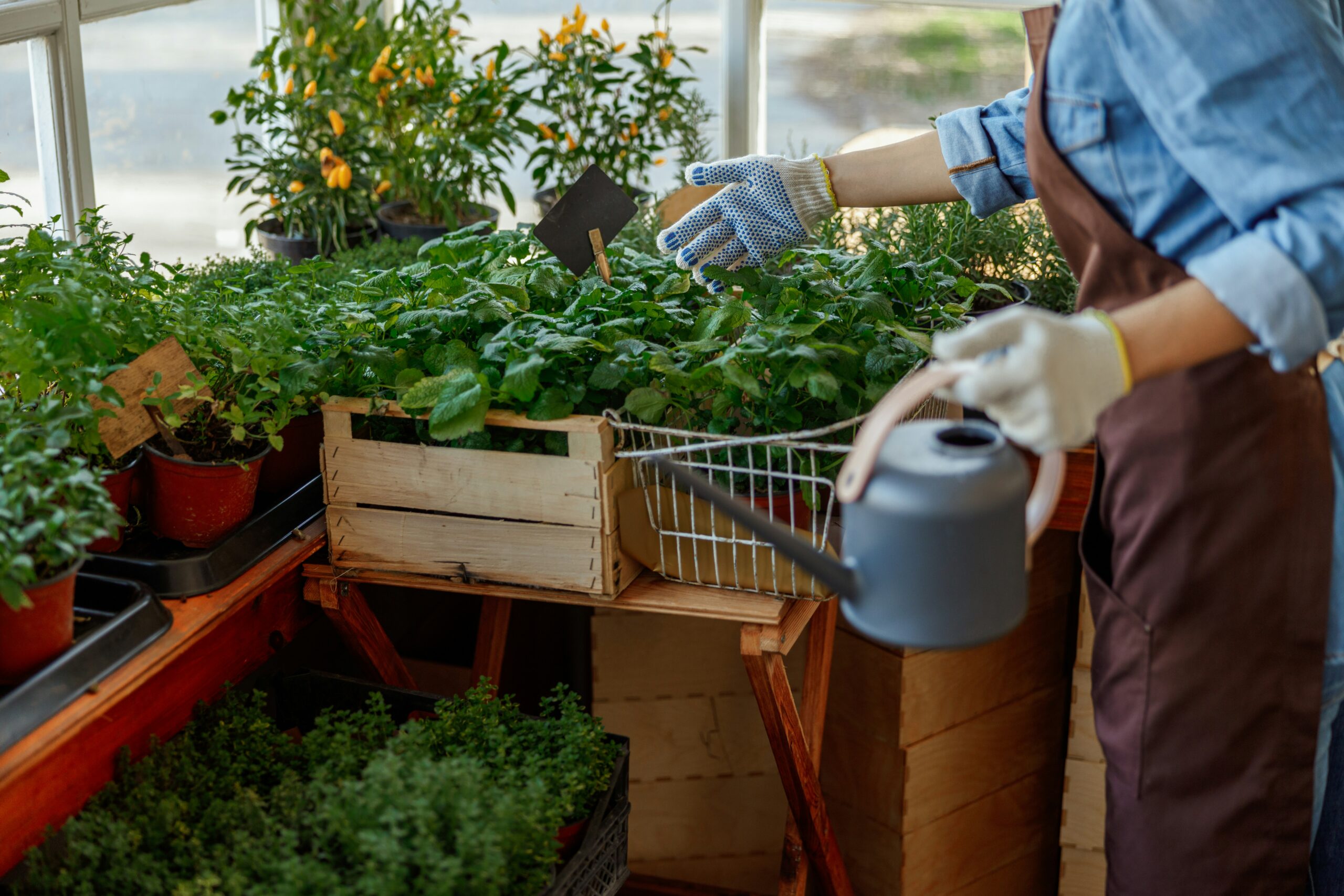
Starting your first garden can be an exciting and rewarding experience that allows you to connect with nature, grow fresh plants, and create a beautiful outdoor space. The unique experiences gained from watching plants grow, learning from seasonal changes, and developing a personal connection with nature make gardening a truly memorable journey.
Many beginners feel unsure about where to begin, but with the right knowledge and preparation, anyone can develop successful gardening skills. A well-planned garden provides fresh vegetables, colorful flowers, and a peaceful environment while improving your understanding of plants and nature.
Understanding the Basics Before Starting Your First Garden
Before planting anything, it is important to understand the basic needs of plants and how your outdoor space works. Every garden depends on factors such as sunlight, soil quality, water availability, and climate conditions. Therefore, beginners should spend time observing their chosen area before adding plants.
Starting with simple goals can make gardening easier and more enjoyable. Many new gardeners try to grow too many plants at once, which can create unnecessary challenges. Instead, focus on learning essential techniques and building experience gradually. Moreover, choosing beginner-friendly plants allows you to understand plant growth patterns, maintenance needs, and seasonal changes without feeling overwhelmed.
Choosing the Right Location for Your Garden Space
Selecting the right location is one of the most important decisions when creating a garden. Most plants need several hours of sunlight each day, so a bright area is usually the best choice. However, some plants prefer partial shade, meaning you should consider the specific requirements of each variety.
The size of your garden area also affects your overall experience. A small garden can still produce beautiful flowers, herbs, or vegetables when it is planned carefully. In addition, container gardening provides an excellent option for people with limited outdoor space. By choosing a practical location, beginners can create a manageable garden that fits their lifestyle and available resources.
Preparing Healthy Soil for Better Plant Growth
Healthy soil creates the foundation for a successful garden because plants depend on nutrients, structure, and moisture balance. Before adding seeds or plants, test the soil quality and understand its condition. Good soil usually contains organic matter that supports root development and improves water retention.
Soil preparation also helps prevent common gardening problems. Poor drainage, compacted soil, and nutrient shortages can slow plant growth and reduce harvest quality. However, regular improvement through composting and proper maintenance can gradually transform weak soil into a productive garden bed. As a result, beginners can enjoy stronger plants and better long-term results.
Learning Proper Watering and Plant Care Techniques
Watering is one of the most important responsibilities for every gardener because plants need consistent moisture to survive. However, too much water can damage roots and create problems such as fungal diseases. Therefore, beginners should learn to check soil moisture before watering.
Furthermore, modern gardening methods like automated monitoring tools, organic fertilizers, and precision-based plant care can improve efficiency and plant health. Regularly observing plants helps identify problems before they become serious. By combining traditional care practices with modern techniques, beginners can maintain healthy gardens and enjoy steady plant growth throughout the season.
Selecting Beginner-Friendly Plants for Your Garden
Choosing suitable plants is an important part of gardening success, especially for beginners. Some plants require less maintenance and can tolerate common mistakes, making them ideal choices for new gardeners. Flowers such as marigolds, sunflowers, and zinnias often provide encouraging results, while herbs like basil and mint can grow successfully with basic care. Additionally, vegetables such as lettuce, tomatoes, and radishes can introduce beginners to food gardening.
Plant selection should also match your local climate and growing season. Different plants perform better under specific temperature and weather conditions. Therefore, researching plant varieties before purchasing seeds or seedlings can save time and effort. Moreover, selecting plants that match your interests will make gardening more enjoyable and motivate you to continue learning.
Managing Common Gardening Challenges Successfully
Every gardener experiences challenges, especially during the early stages of learning. Common problems include pests, diseases, poor growth, and changing weather conditions. However, these issues can often be managed through careful observation and preventive practices. For example, maintaining healthy soil, providing proper spacing, and removing damaged leaves can reduce many potential problems.
Plants do not always grow perfectly, and unexpected situations can happen. Nevertheless, each challenge provides valuable experience that helps gardeners improve their skills. Additionally, researching solutions and learning from mistakes can make future gardening projects more successful.
Creating Sustainable Gardening Habits at Home
Sustainable gardening practices help protect natural resources while creating healthier growing environments. Composting kitchen waste, collecting rainwater, and avoiding unnecessary chemical use are simple ways to support eco-friendly gardening. Furthermore, planting native species can benefit local wildlife and require less maintenance because these plants are adapted to regional conditions.
Sustainability also encourages long-term gardening success. By caring for soil, reducing waste, and supporting natural processes, gardeners can create spaces that remain productive for years. Moreover, sustainable habits often reduce gardening costs while improving environmental responsibility. As a result, beginners can enjoy a garden that benefits both their home and the surrounding ecosystem.
Enjoying the Benefits of Your Growing Garden
A garden provides many significant benefits beyond producing flowers or food. Gardening can reduce stress, encourage outdoor activity, and create a peaceful space for relaxation. Additionally, watching plants develop from seeds into mature growth creates a rewarding connection with nature. For many beginners, gardening becomes a meaningful hobby that brings satisfaction and creativity.
As your experience increases, you can expand your garden and explore new techniques. You may experiment with different plants, create decorative arrangements, or develop more advanced gardening skills. Therefore, the first garden should be viewed as the beginning of a lifelong learning journey. With dedication, patience, and curiosity, anyone can develop a thriving garden that brings beauty and enjoyment.