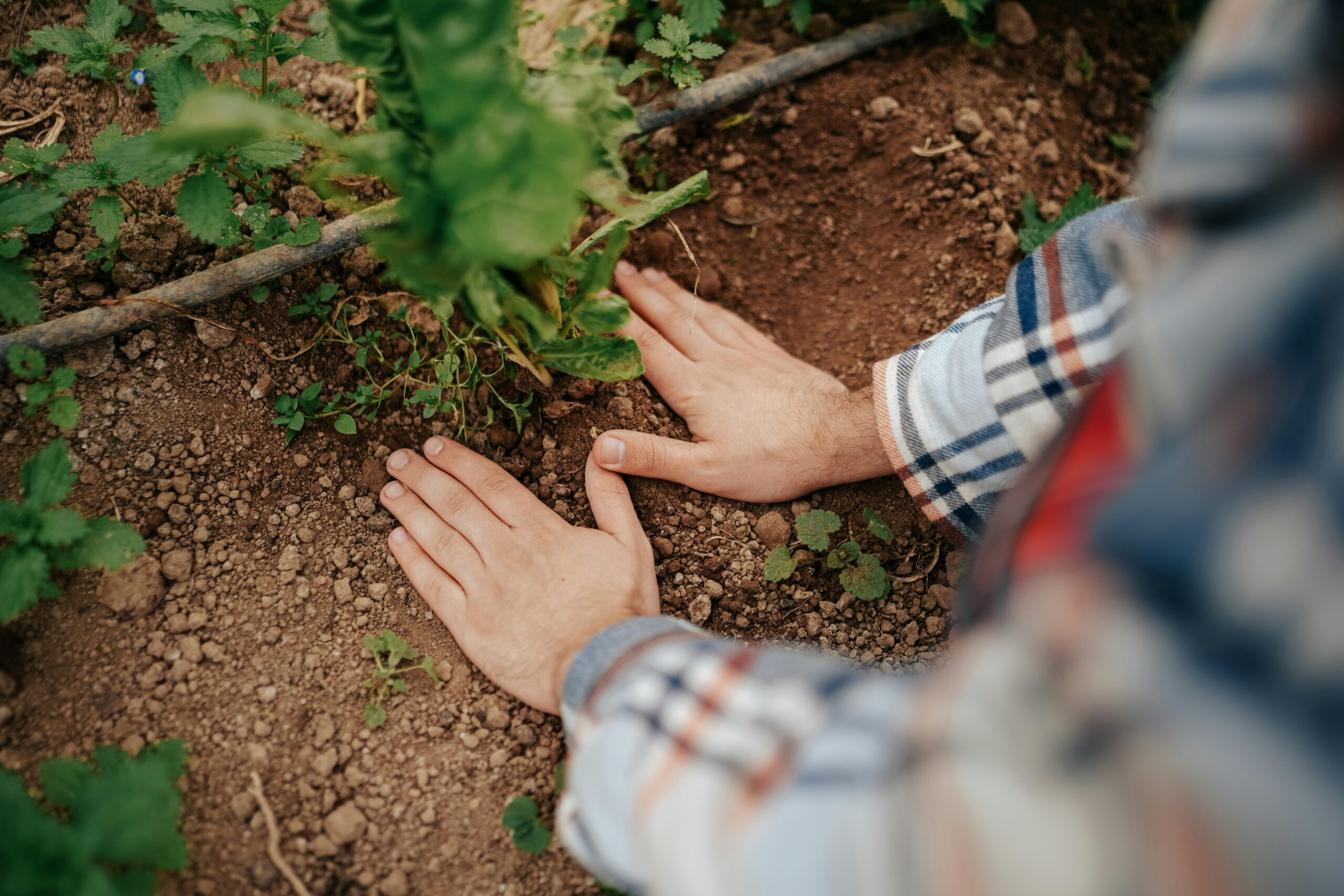
Healthy plants begin with healthy soil. Garden soil does much more than hold roots in place. It stores water, supplies nutrients, and gives roots room to spread. When the soil stays loose, rich, and balanced, plants can grow faster and remain stronger throughout the season. Poor soil can make even careful gardening difficult. Plants may grow slowly, produce fewer flowers, or develop weak roots when the soil lacks the right conditions.
You can improve garden soil without using complicated methods. Simple changes can create better conditions over time. Adding natural materials, managing water carefully, protecting the surface, and avoiding too much digging can all help. The goal is not to change the soil overnight. Instead, focus on steady improvement. When you care for the soil each season, you create a healthier garden that supports stronger plants and better growth.
Understand the Soil in Your Garden
Start by learning what type of soil you have. Some soil feels sandy and loose. It drains water quickly but may not hold nutrients for long. Other soil contains more clay. It feels sticky when wet and can become hard when dry. Clay soil often holds plenty of water, but roots may struggle to move through it. Good garden soil usually feels soft and breaks apart easily in your hand.
You can also watch what happens after watering or rainfall. If water disappears almost immediately, the soil may drain too quickly. If puddles remain for many hours, drainage may be poor. A simple soil test can also tell you about acidity and nutrient levels. Once you understand the condition of your soil, you can make changes that match its actual needs.
Add Compost to Improve Soil Quality
Compost is one of the easiest ways to improve garden soil. It comes from broken-down food scraps, leaves, grass, and other natural materials. Finished compost looks dark and crumbly. It adds nutrients while helping the soil hold water and air. Compost also makes heavy soil easier to work with and helps loose soil retain moisture longer.
Spread compost over garden beds before planting or add it around established plants. You can gently mix it into the upper part of the soil. You can also leave it on the surface and allow worms and other small soil creatures to move it downward. Adding compost once or twice each year can slowly build richer soil and support healthier plant growth.
Use Natural Materials to Feed the Soil
Many natural materials can help build better soil. Dry leaves, aged manure, grass clippings, and broken-down plant matter can add valuable nutrients. These materials also improve the way soil holds water. They create a softer environment where roots can spread more easily. Over time, natural materials become part of the soil, increasing its ability to support plants.
Always use materials that are safe and ready for the garden. Fresh manure can be too strong for young plants, so it should age before use. Thick layers of fresh grass may also become wet and packed together. Let materials break down properly before mixing large amounts into planting areas. Careful use will improve the soil without damaging roots.
Keep the Soil Covered With Mulch
Bare soil can lose water quickly under strong sunlight. Heavy rain can also hit the surface, making it hard. Mulch protects the soil from these problems. Straw, shredded leaves, bark, and wood chips can all work well. A layer of mulch helps keep the soil cooler and reduces water loss during hot weather.
Mulch can also limit weed growth by blocking sunlight from reaching many weed seeds. As natural mulch breaks down, it adds more organic material to the soil. Keep mulch a short distance away from plant stems. This allows air to move freely and reduces the risk of excessive moisture collecting around the base of the plant.
Water in a Way That Supports Strong Roots
Good watering habits can improve both soil and plant health. Light watering every day may keep roots close to the surface. These roots can dry out quickly during warm weather. Deeper watering encourages roots to grow farther into the ground. Strong roots can access more moisture and nutrients, helping plants stay healthy during dry periods.
Check the soil before adding more water. Push your finger a short distance below the surface. If the soil still feels moist, you may not need to water yet. Different soil types also need different watering schedules. Sandy soil dries quickly, while clay soil stays wet longer. Adjust your routine based on the actual condition of the soil.
Avoid Packing the Soil Too Tightly
Plants grow best when roots can move through the soil without too much resistance. Walking on garden beds can compact the soil. Heavy rain and repeated digging can also create hard areas. When soil becomes packed, water and air cannot move through it easily. Roots may remain small because they cannot reach deeper soil layers.
Create paths between garden beds, so you do not need to step where plants grow. If the ground feels hard, use a garden fork to gently loosen it. Avoid turning the entire bed unless it is necessary. Gentle care protects the soil’s natural structure and gives roots more room to grow.
Encourage Worms and Other Helpful Soil Life
Healthy soil contains many living things. Earthworms and tiny organisms help break down leaves, compost, and other natural materials. This process releases nutrients that plants can use. Worms also create small spaces as they move through the soil. These spaces allow air and water to reach plant roots more easily.
You can attract more helpful soil life by adding compost and natural mulch. Try to keep the ground slightly moist; it should be soaked. Avoid using strong garden chemicals unless you truly need them. A healthy soil environment allows worms and other useful organisms to remain active and continue improving the ground naturally.
Change Where You Grow Plants Each Season
Growing the same plants in the same place every year can weaken the soil. Some crops use large amounts of certain nutrients. If you repeat them in the same area, those nutrients may slowly decline. Pests and plant diseases can also build up when the same plant family returns to the same bed every season.
Move different plant groups around your garden when possible. For example, you can grow beans in an area that held tomatoes the year before. Then you can use that space for leafy vegetables or another crop later. Changing planting locations helps balance nutrient use and can reduce recurring soil problems.
Protect Garden Soil During Empty Seasons
Garden beds often stay empty after crops finish growing. Bare soil can lose moisture and nutrients during these periods. Rain can wash away loose soil, while strong sun can dry the surface. Keeping the ground protected helps maintain the improvements you made during the growing season.
You can cover unused beds with leaves, straw, compost, or other natural materials. You can also grow simple cover plants when the weather allows. Their roots hold the soil in place and help maintain its structure. When the next planting season arrives, the soil will be in better condition and ready to support new growth.
Build Better Soil With Consistent Care
Pay attention to how your plants respond each season. Strong growth, healthy leaves, deep roots, and steady flowering often show that the soil is improving. If problems appear, check the soil before adding more fertilizer. Many plant issues begin with poor drainage, low organic matter, or weak soil structure. Fixing the soil can often improve the entire garden.
Improving garden soil takes time, but each season gives you another chance to make progress. Rich soil holds moisture better, supports beneficial organisms, and provides roots with the space they need. Plants growing in healthy soil can often handle heat, dry weather, and other challenges more successfully.
Focus on simple habits that you can continue year after year. Add compost, use mulch, protect garden beds, and water according to the soil’s needs. As the soil becomes healthier, your plants can become stronger and easier to care for. Good soil creates the foundation for a garden that grows well and stays productive for many seasons.