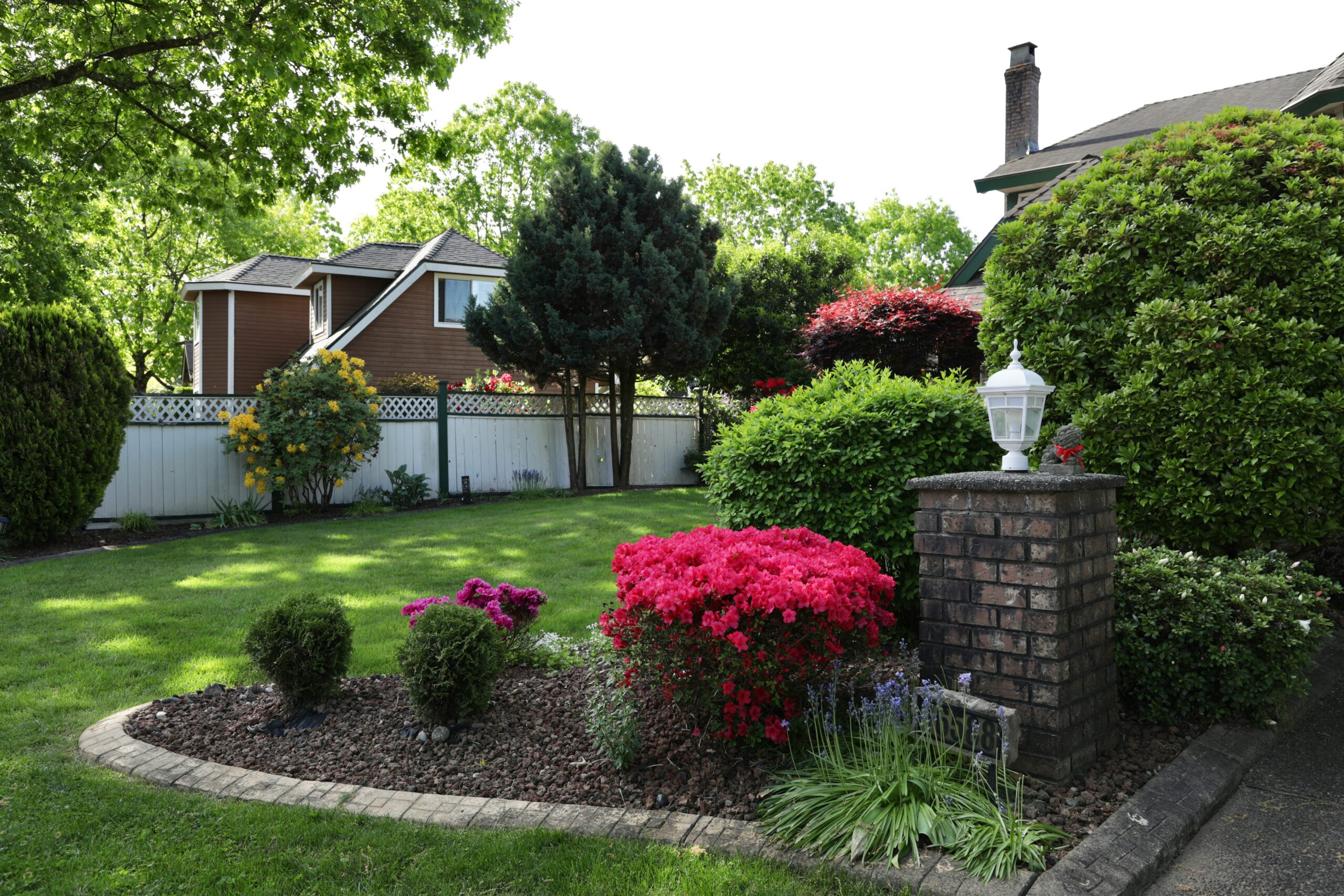
Low-maintenance gardening is a smart solution for homeowners who love green spaces but have limited time for daily care. Modern lifestyles can make it difficult to spend hours watering, trimming, and managing plants. However, a beautiful garden does not always require constant attention. With the right planning, plant choices, and simple routines, anyone can enjoy a healthy outdoor area with less effort. Low-maintenance gardening ideas help busy homeowners create attractive gardens while saving time and energy. The key is choosing solutions that work with nature instead of fighting against it. Drought-resistant plants, smart watering methods, and simple garden designs can reduce regular maintenance tasks. A well-planned garden can stay fresh and inviting even with a busy schedule. By using practical techniques, homeowners can enjoy the benefits of gardening without feeling overwhelmed.
Choose Plants That Require Less Daily Care
Selecting the right plants is one of the most important steps for creating an easy-care garden. Many homeowners make gardening harder by choosing plants that need frequent watering, trimming, or special treatments. Instead, it is better to select varieties that naturally adapt to the local climate and soil conditions. Native plants are often a great choice because they can survive with less support once they become established. They usually need less water and can handle common weather changes. Perennials are also useful because they return each year without requiring new planting. Shrubs, ground covers, and hardy flowers can create a beautiful garden while reducing regular work. Before buying plants, homeowners should learn about their sunlight and water needs. Grouping plants with similar requirements makes care easier and more efficient. A thoughtful plant selection creates a garden that remains attractive with minimal effort.
Use Smart Garden Design to Reduce Maintenance
A simple garden design can make outdoor care much easier for busy homeowners. Large gardens with many different plant types often require more time and attention. Instead, a balanced design with fewer plant varieties can create a clean and organized appearance. Using mulch around plants helps control weeds and keeps soil moisture stable. This reduces the need for frequent watering and extra garden work. Adding pathways with stone, gravel, or other materials can also lower maintenance because they reduce open soil areas where weeds grow. Raised garden beds can make planting and caring for vegetables more convenient. Creating clear sections for flowers, herbs, and shrubs helps homeowners manage each area better. A well-designed garden saves time because every element has a clear purpose. Planning before planting prevents future problems and creates a space that is easier to maintain throughout the year.
Install Simple Watering Solutions for Busy Schedules
Watering plants can become one of the biggest challenges for homeowners with busy routines. Many people forget to water regularly or use more water than plants actually need. A smart watering system can solve this problem by providing consistent moisture with less effort. Drip irrigation systems deliver water directly to plant roots, which reduces waste and improves plant health. Automatic timers can also help maintain a regular watering schedule without daily attention. Adding mulch around plants helps the soil hold moisture for longer periods. Rain collection systems can provide an additional water source for gardens in suitable areas. These methods support healthier plants while reducing the time spent on manual watering. Easy garden maintenance solutions allow homeowners to enjoy a greener space without adding extra stress to their daily lives. Small improvements in watering habits can create major benefits over time. A simple system can make gardening more practical and efficient.
Reduce Weeds and Garden Problems Naturally
Weeds and pests can make gardening feel like a difficult task, especially for homeowners with limited free time. Preventing problems early is often easier than dealing with them later. Mulching is one of the most effective ways to reduce weed growth because it blocks sunlight from reaching unwanted plants. Healthy soil also helps plants become stronger and more resistant to common problems. Adding compost improves soil quality and supports better plant development. Choosing plants that naturally resist pests can reduce the need for chemical treatments. Regular but simple garden checks can help homeowners notice problems before they become serious. Spending a few minutes each week inspecting plants can prevent larger issues in the future. Removing damaged leaves and cleaning garden areas also supports plant health. Natural prevention methods create a healthier garden while reducing maintenance time. A clean and balanced garden environment requires fewer repairs and less attention.
Create a Garden Routine That Fits Your Lifestyle
A successful low-maintenance garden depends on creating habits that match your schedule. Busy homeowners do not need to spend hours outside every day to keep their gardens healthy. A short weekly routine can handle most basic tasks when the garden is designed properly. Checking plant health, removing small weeds, and cleaning outdoor areas can usually be completed quickly. Seasonal tasks, such as pruning and adding compost, should be planned ahead to avoid last-minute work. Using the right tools can also make gardening tasks faster and easier. Keeping equipment organized saves time and prevents frustration. Simple sustainable gardening practices help homeowners maintain beautiful spaces while balancing work and personal responsibilities. The goal is not to avoid gardening completely but to create a system that feels manageable. With smart choices, even people with demanding schedules can enjoy the beauty and relaxation of a green outdoor space. A low-maintenance garden provides long-term enjoyment with less daily effort.