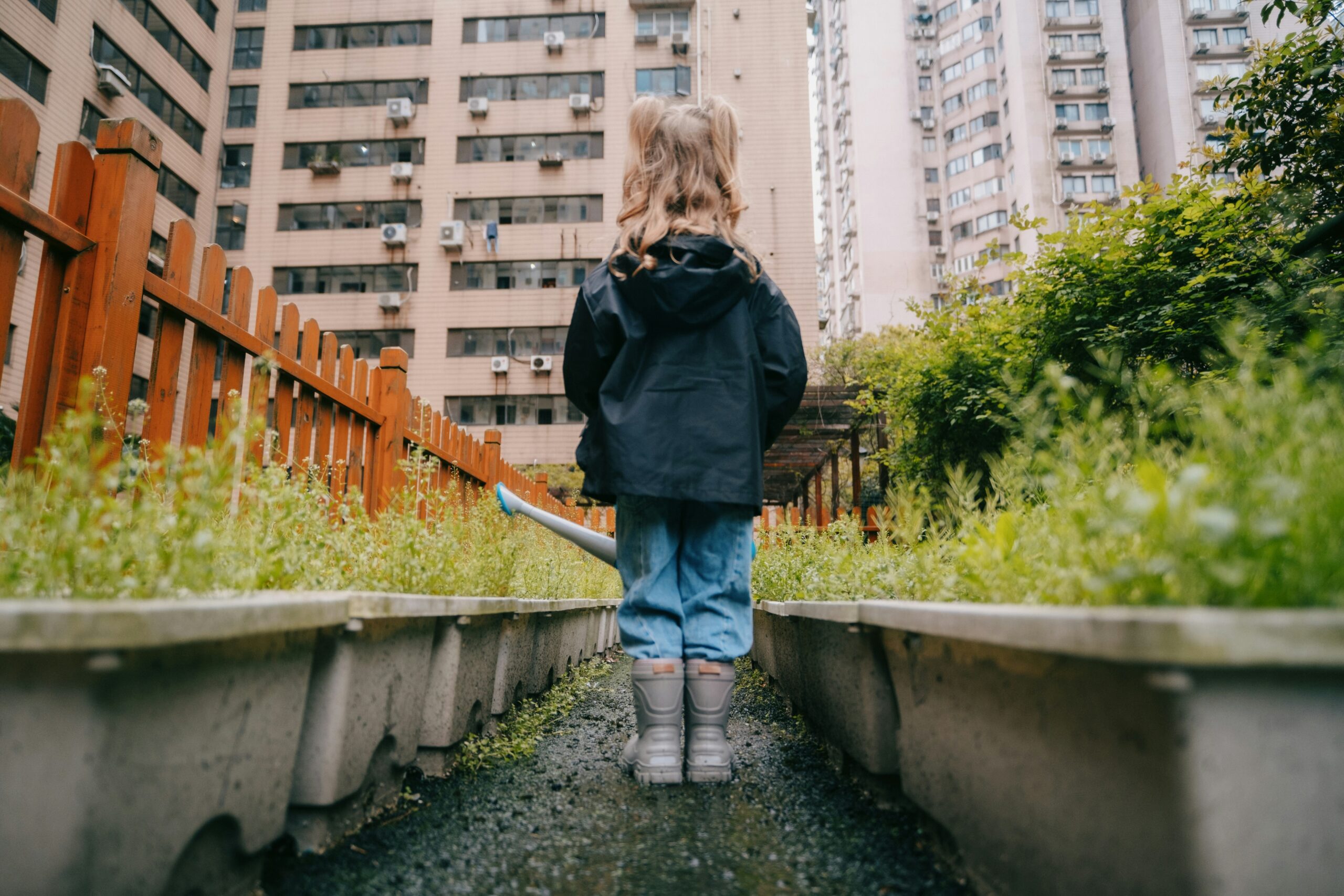
Living in a small apartment does not mean you have to give up the dream of growing your own fresh food. In fact, many city residents now enjoy productive indoor gardens that provide herbs, leafy greens, vegetables, and even fruits year-round. With the right techniques and a little creativity, you can transform limited space into a thriving source of healthy produce. Urban gardening hacks make it possible to enjoy fresh ingredients while creating a greener and more relaxing home environment.
Urban gardening continues to grow in popularity because it offers practical solutions for modern living. Fresh herbs on your kitchen counter, crisp lettuce near a sunny window, and cherry tomatoes on a balcony provide convenience and reduce grocery costs. At the same time, gardening improves indoor spaces by adding natural beauty and encouraging a healthier lifestyle. Once you understand the basics, you can maximize every square foot without sacrificing comfort.
Make the Most of Every Available Space
Successful apartment gardening starts with smart space management. Instead of focusing only on floor space, think vertically and creatively. Walls, windows, shelves, railings, and hanging planters all offer valuable growing opportunities.
A sunny windowsill provides an excellent location for herbs such as basil, parsley, cilantro, and chives. Meanwhile, floating shelves placed near bright windows create additional growing areas without taking up living space. Hanging baskets also allow trailing plants like strawberries or certain herbs to thrive while keeping surfaces clear.
If your apartment includes a balcony, you can expand your growing space even further. Compact containers, railing planters, and stackable pots allow you to grow vegetables without overcrowding the area. As a result, even a small balcony can become a productive urban garden.
Choose Plants That Thrive Indoors
Not every plant adapts well to apartment conditions. Therefore, selecting crops that naturally perform well in containers increases your chances of success.
Leafy greens such as lettuce, spinach, kale, and arugula grow quickly and require relatively little space. Likewise, herbs remain among the easiest plants for beginners because they adapt well to indoor environments and produce frequent harvests.
Cherry tomatoes, compact peppers, dwarf eggplants, and bush beans also perform well in containers when they receive enough sunlight. Additionally, microgreens offer one of the fastest harvests, as they mature within a few weeks.
By choosing compact varieties specifically developed for containers, you can enjoy impressive harvests while keeping maintenance simple.
Select the Right Containers
Container selection directly affects plant health. Every container should provide adequate drainage because excess water damages roots and encourages disease. Fortunately, attractive pots come in countless sizes and materials that fit every decorating style.
Fabric grow bags provide excellent airflow around the roots while remaining lightweight and easy to move. Ceramic containers add beauty to indoor spaces, whereas plastic pots retain moisture longer and often cost less.
Depth also matters. Herbs usually require smaller containers, while tomatoes and peppers need deeper pots that support larger root systems. Therefore, matching container size to each plant helps maximize growth throughout the season.
Furthermore, placing trays beneath containers protects floors and furniture from excess water while keeping indoor gardening neat and organized.
Improve Natural Light
Light remains one of the most important factors in successful apartment gardening. Most edible plants need several hours of bright light each day to produce healthy leaves and abundant harvests.
South-facing windows generally receive the strongest sunlight. However, east- or west-facing windows can also support the growth of many herbs and leafy vegetables. Rotating containers every few days encourages balanced growth because every side receives adequate light.
If natural sunlight remains limited, modern LED grow lights offer an excellent solution. These energy-efficient lights allow gardeners to grow vegetables year-round, regardless of weather or apartment orientation. Consequently, fresh food becomes available even during winter months.
Maintaining consistent lighting schedules also helps plants develop strong stems and healthy foliage.
Create Healthy Soil for Better Harvests
Healthy soil supports healthy plants. Although garden soil may seem convenient, it often becomes compacted inside containers. Instead, use a quality potting mix designed specifically for container gardening.
Many premium mixes contain compost, coconut coir, peat alternatives, and perlite to improve drainage while retaining enough moisture for healthy roots. In addition, adding organic compost enriches the growing medium with nutrients that support vigorous plant growth.
Regular feeding also benefits container plants because watering gradually removes nutrients from the soil. Organic liquid fertilizers or slow-release fertilizers provide balanced nutrition without overwhelming young plants.
As your plants mature, healthy soil continues supporting strong root systems and steady production.
Water Plants Carefully
Watering mistakes cause many problems in apartment gardening. Too much water often damages roots, while too little water slows growth and reduces harvests. Therefore, developing a consistent watering routine remains essential.
Before watering, check the top inch of soil with your finger. If it feels dry, your plants likely need water. However, if the soil still feels moist, waiting another day often prevents overwatering.
Morning watering usually works best because plants absorb moisture before temperatures rise later in the day. Moreover, watering at the soil level rather than wetting the leaves helps reduce disease risk.
Containers dry out faster than traditional garden beds, especially during warm weather. Consequently, frequent monitoring ensures your plants remain healthy throughout the growing season.
Keep Indoor Gardens Healthy Naturally
Healthy apartment gardens rarely require harsh chemicals. Instead, preventive care keeps most pests and diseases under control.
Inspect leaves regularly for signs of insects or discoloration. Early detection allows quick action before problems spread to neighboring plants. Gently washing leaves with water removes dust and improves light absorption.
Good airflow also reduces moisture-related diseases. Therefore, avoid overcrowding containers and provide enough space between plants whenever possible.
Natural pest control methods such as insecticidal soap, neem oil, or manual removal of insects often effectively solve minor infestations. Additionally, keeping gardening tools clean prevents the spread of unwanted diseases.
Consistent observation helps maintain healthy plants while protecting your indoor environment.
Harvest Often for Continuous Growth
One of the greatest urban gardening hacks is to harvest regularly. Frequent harvesting encourages many herbs and leafy vegetables to produce fresh growth instead of slowing down.
Trim herbs above leaf nodes to stimulate branching. Similarly, harvest outer lettuce leaves while allowing the center to continue growing. This method provides multiple harvests from the same plant over several weeks.
Cherry tomatoes, peppers, and other fruit-producing plants also benefit from regular picking because mature fruit encourages additional flowering and production.
As a result, your apartment garden remains productive throughout the season while providing a steady supply of fresh ingredients.
Build a Sustainable Apartment Garden
Urban gardening supports sustainability in many meaningful ways. Growing fresh food at home reduces transportation emissions associated with store-bought produce. Likewise, harvesting only what you need minimizes food waste.
Kitchen scraps can also support apartment gardening through simple composting methods designed for indoor spaces. Nutrient-rich compost improves soil quality while reducing household waste. Furthermore, collecting rainwater for balcony gardens or reusing suitable household water conserves valuable resources.
Many apartment gardeners also reuse containers, jars, wooden crates, and recycled materials to create unique planting systems. Consequently, gardening becomes both environmentally friendly and budget-conscious.
These sustainable habits create long-term benefits for your home, your community, and the environment.
Enjoy Fresh Food from Your Apartment Every Day
Urban gardening hacks prove that limited space never limits fresh food production. With thoughtful planning, proper containers, quality soil, and consistent care, even the smallest apartment can become a productive indoor garden. Fresh herbs, leafy greens, tomatoes, peppers, and other vegetables remain within reach regardless of where you live.
Moreover, apartment gardening creates more than just fresh produce. It promotes healthier eating habits, reduces grocery expenses, improves indoor air quality, and brings daily satisfaction through caring for living plants. Every successful harvest reminds you that nature can thrive even in the heart of a busy city.
Start with a few easy plants, learn from each growing season, and gradually expand your indoor garden. Over time, your apartment will become a vibrant, productive space where fresh food grows just steps away from your kitchen, making healthy living both practical and rewarding.