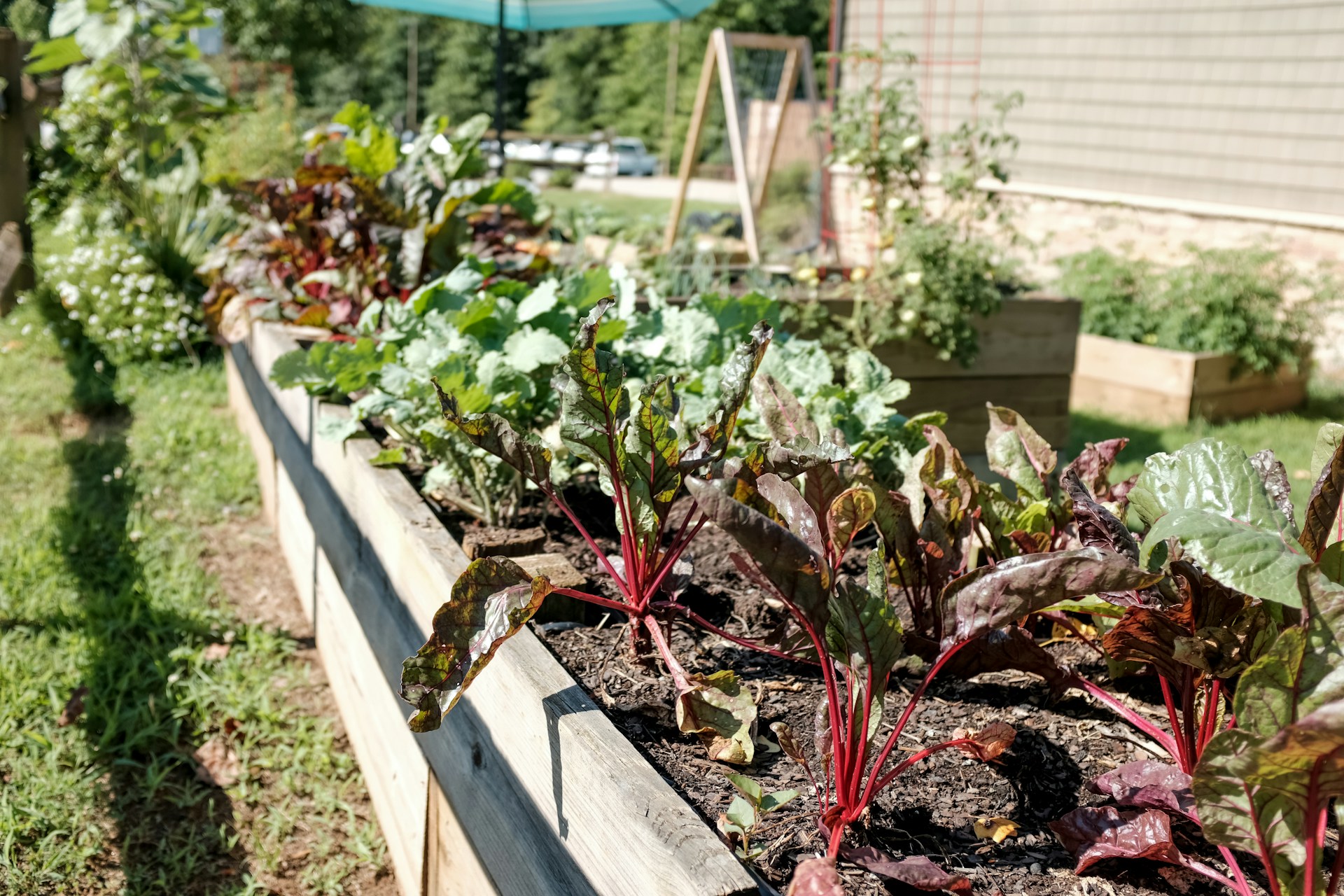
A successful garden is not built in a single season. Instead, it grows stronger when you understand what each part of the year offers. Every season has the right plants, the right tasks, and the right opportunities to improve your harvest. Following a garden planting schedule helps you make smart decisions, avoid common mistakes, and enjoy fresh flowers, herbs, and vegetables from one season to the next.
Start Fresh When Nature Wakes Up
Spring marks the beginning of the growing season for many gardeners. As temperatures become warmer, the soil is ready for cool-season vegetables and colorful flowers. Crops such as lettuce, spinach, peas, carrots, radishes, and broccoli perform well during this time because they prefer mild weather before summer heat arrives.
Spring is also the perfect time to prepare garden beds. Remove weeds, loosen compacted soil, and mix compost into the ground. Healthy soil improves drainage while providing important nutrients for young plants. Furthermore, checking irrigation systems and replacing damaged tools early in the season makes gardening easier throughout the year.
Make the Most of Long Sunny Days
Summer provides the warmth needed for many popular vegetables to thrive. Tomatoes, peppers, cucumbers, squash, beans, eggplants, and melons grow quickly when they receive plenty of sunlight and regular watering. These crops reward gardeners with large harvests when they receive proper care.
However, summer heat can place extra stress on plants. Therefore, watering deeply during the early morning helps roots absorb moisture before temperatures rise. In addition, applying mulch around plants keeps the soil cooler, slows evaporation, and reduces weed growth. These simple habits improve plant health while saving water during the hottest months.
Refresh Beds Before Cooler Weather Arrives
Fall brings another excellent opportunity to grow fresh produce. Many vegetables actually prefer cooler temperatures because they develop better flavor and stronger growth. Kale, cabbage, cauliflower, Swiss chard, beets, turnips, and carrots often produce outstanding results during this season.
Meanwhile, fall is an ideal time to plant garlic and certain onion varieties for harvest the following year. Cleaning garden beds after summer crops finish also reduces diseases and insect problems. Healthy cleanup now creates a cleaner and more productive garden when spring returns.
Continue Growing During the Quiet Months
Many people assume winter means gardening comes to a complete stop. In reality, several hardy vegetables continue growing in cooler climates when protected with row covers, cold frames, or simple garden tunnels. Spinach, kale, and certain lettuce varieties often survive chilly conditions surprisingly well.
Even if outdoor planting slows, winter remains one of the best times to prepare for the next growing season. Review gardening notes, organize tools, repair containers, and order seeds before popular varieties sell out. Good planning during winter often leads to better success when spring arrives again.
Match Every Crop to the Right Season
Planting at the correct time is one of the most important parts of successful gardening. Some vegetables enjoy cool temperatures, while others need long periods of warmth before producing fruit. Learning the growing preferences of each crop improves harvest quality and reduces disappointment.
Many experienced gardeners also practice crop succession planting throughout the year. Instead of planting everything at one time, they sow small amounts every few weeks. As a result, vegetables mature gradually, providing continuous harvests instead of one large harvest that finishes quickly.
Build Strong Plants with Consistent Care
Healthy gardens need regular attention during every season. Watering properly, removing weeds, inspecting plants for insects, and harvesting vegetables on time all encourage continued growth. These small jobs only take a little time, yet they prevent larger problems from developing later.
Likewise, feeding plants with compost or balanced fertilizer replaces nutrients that crops remove from the soil. Pruning damaged stems and removing diseased leaves also improves airflow while lowering the risk of disease. Consistent care allows plants to remain productive for much longer.
Learn from Your Local Climate
Although seasonal guides provide excellent direction, every region has unique weather patterns. Frost dates, rainfall, humidity, and sunlight hours all affect planting schedules. Paying attention to local conditions allows you to adjust your gardening plans whenever necessary.
Keeping a simple garden journal also becomes valuable over time. Recording planting dates, weather conditions, and harvest results helps you understand which crops perform best in your location. Consequently, every new gardening season becomes more successful than the last.
Harvest More by Planning the Entire Year
A productive garden is built through careful planning rather than luck. Using seasonal vegetable planning throughout the year allows you to rotate crops, improve soil quality, and keep fresh produce growing for longer periods. Small adjustments made each season often produce impressive results over time.
Gardening becomes far more enjoyable when you work with nature instead of against it. Every season offers new opportunities to plant, care for, and harvest healthy crops. By understanding what belongs in spring, summer, fall, and winter, you can create a thriving garden that rewards your effort with fresh food, beautiful flowers, and continuous learning throughout the entire year.