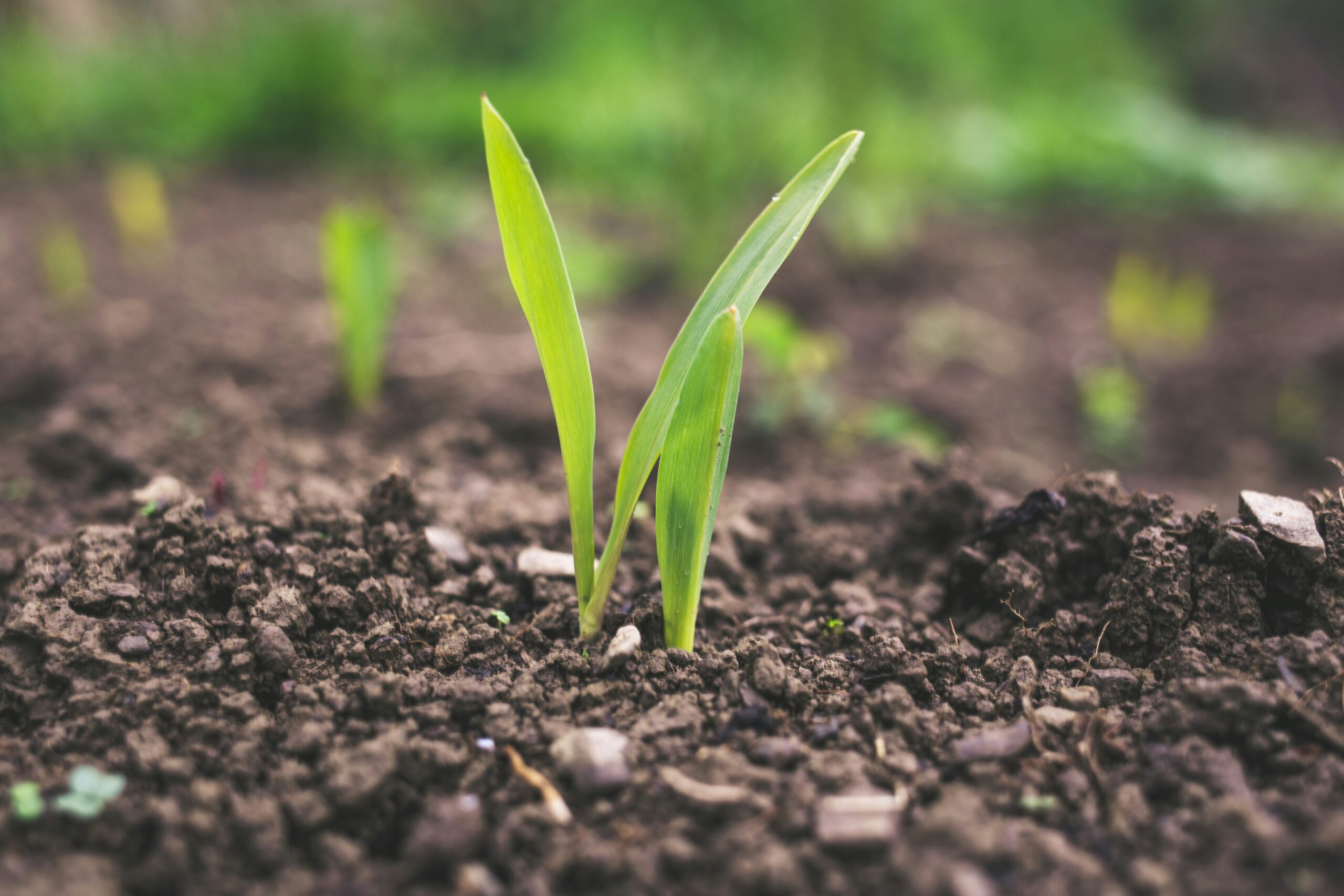
Gardening success often begins beneath the surface, where healthy soil provides the nutrients and structure plants need to thrive. While many gardeners rely on commercial fertilizers, a more sustainable solution exists right at home. Organic materials that are frequently discarded can be transformed into nutrient-rich compost that naturally supports plant growth and improves soil quality.
Home composting has gained popularity because it offers environmental and gardening benefits. Instead of sending kitchen scraps and yard waste to landfills, homeowners can turn them into a valuable resource. Consequently, composting reduces waste while creating a steady supply of natural nutrients that help gardens flourish throughout the year.
The Role of Compost in Healthy Soil
Healthy soil contains a balance of nutrients, organic matter, air, and moisture. Over time, plants absorb nutrients from the soil, which can gradually reduce fertility. Compost helps restore these nutrients naturally while improving the overall structure of the growing environment. As a result, plants have access to the resources they need for stronger growth and greater productivity.
Additionally, compost encourages the development of beneficial microorganisms that support soil health. These microscopic organisms break down organic matter and make nutrients more accessible to plant roots. Therefore, gardens that receive regular compost applications often experience improved plant vigor and long-term soil stability.
Collecting Organic Materials for Composting
Many common household items can serve as valuable compost ingredients. Fruit peels, vegetable scraps, coffee grounds, tea bags, and eggshells all contribute important nutrients to the composting process. Furthermore, yard waste such as grass clippings, leaves, and small plant trimmings provides additional organic matter that enhances the final product.
At the same time, it is important to understand which materials should be kept out of the compost pile. Meat products, dairy items, and heavily processed foods can attract pests and create unpleasant odors. Consequently, focusing on plant-based organic materials helps maintain a cleaner and more effective composting system.
Building an Efficient Compost Pile
Creating an efficient compost pile involves more than simply stacking organic waste in one location. Successful composting depends on balancing nitrogen-rich green materials with carbon-rich brown materials. Green materials fuel microbial activity. In contrast, brown materials provide energy and structure for decomposition.
Moreover, alternating layers of these materials helps maintain proper airflow and moisture distribution throughout the pile. This balance supports the microorganisms responsible for breaking down organic matter. As a result, decomposition occurs more efficiently, producing nutrient-rich compost in a shorter period.
Managing Moisture for Better Decomposition
Moisture is essential for composting because beneficial microorganisms require water to remain active. A compost pile that becomes too dry will decompose slowly, while excessive moisture can create unpleasant odors and reduce oxygen availability. Therefore, maintaining proper moisture levels is one of the most important aspects of successful composting.
Furthermore, gardeners can monitor moisture by observing the compost’s texture. Ideally, the material should feel damp but not saturated. During dry weather, occasional watering may be necessary, while heavy rainfall may require covering the pile. Consequently, maintaining balanced moisture conditions helps support steady decomposition throughout the process.
Encouraging Airflow in the Compost System
Oxygen plays a critical role in the composting process. Beneficial microorganisms require adequate airflow to break down organic matter effectively. Without sufficient oxygen, decomposition slows and may produce undesirable odors. Therefore, regular aeration remains an important maintenance task.
Additionally, turning the compost pile periodically helps distribute moisture and heat evenly. This process exposes undecomposed materials to active microorganisms and improves overall efficiency. As a result, compost matures more quickly and develops a consistent texture that is ideal for garden use.
Recognizing Mature Compost
Patience is an important part of successful composting. Although decomposition begins quickly, it takes time for organic materials to transform into finished compost. Mature compost typically appears dark brown or black and has a crumbly texture similar to rich garden soil. Furthermore, it develops a pleasant earthy smell rather than the odor of decomposing food.
Once the original materials are no longer recognizable, the compost is usually ready for use. Applying mature compost ensures that nutrients are readily available to plants. Consequently, gardeners can confidently incorporate it into planting beds, containers, and landscaped areas.
Improving Plant Growth Naturally
Compost offers numerous benefits that support healthy plant development. It improves soil structure by enhancing both drainage and water retention, creating more balanced growing conditions. As a result, plant roots can access moisture more effectively while avoiding issues associated with compacted soil.
Additionally, compost supplies nutrients gradually over time rather than providing an immediate surge. This slow-release approach encourages steady growth and reduces the risk of nutrient imbalances. Therefore, gardeners often notice stronger plants, healthier foliage, and improved harvest quality after incorporating compost into their soil.
Environmental Advantages of Composting at Home
Beyond its gardening benefits, composting contributes to environmental sustainability. Organic waste that enters landfills often decomposes without adequate oxygen, producing greenhouse gases that contribute to environmental impacts. By composting at home, homeowners help reduce landfill waste and support more responsible waste management practices.
Moreover, composting reduces dependence on synthetic fertilizers that require significant resources to manufacture and transport. Natural compost provides an eco-friendly alternative that nourishes soil and promotes sustainable gardening practices. Consequently, homeowners can make a positive environmental impact while maintaining productive landscapes.
Creating nutrient-rich compost from household waste is one of the most effective ways to support healthy gardens and reduce environmental waste. Through proper management of organic materials, moisture, and airflow, homeowners can transform everyday scraps into a valuable soil amendment that naturally enhances plant growth.
Ultimately, sustainable composting offers benefits that extend far beyond the compost pile itself. By improving soil health, supporting plant productivity, and reducing landfill contributions, composting becomes a practical and rewarding practice for gardeners seeking long-term success and environmental responsibility.